
Longer, Happier Lives
Starts with routine veterinary care.
Comprehensive Herd Care
Good preventive care practices include:
- Management — We can help you determine infectious, metabolic, and toxic disease risk to your herd and develop an effective management program.
- Health — Our team will help you recognize common health problems, and know how to address them.
- Veterinary intervention — When preventive measures don’t work, we are available to diagnose and treat a variety of issues affecting individual animals or the entire herd.
- Management — We can help you determine infectious, metabolic, and toxic disease risk to your herd and develop an effective management program.
- Health — Our team will help you recognize common health problems, and know how to address them.
- Veterinary intervention — When preventive measures don’t work, we are available to diagnose and treat a variety of issues affecting individual animals or the entire herd.
Regulatory Work
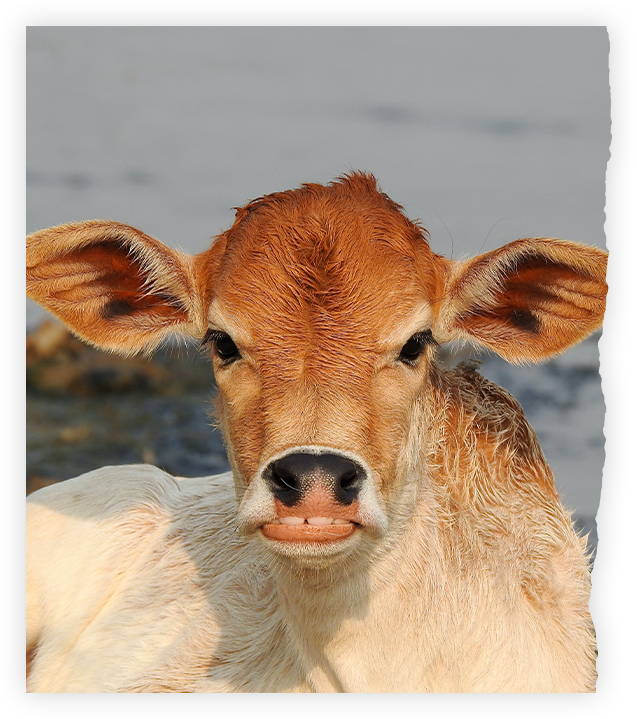
As United States Department of Agriculture (USDA)-accredited veterinarians, we help coordinate your cattle transportation, which involves carefully evaluating your animals for health problems and working with state and federal regulatory agencies to assure all regulations are obeyed. This ensures you won't encounter obstacles when transporting your animals and helps protect animal health and prevent disease spread.
Beef Herd Processing
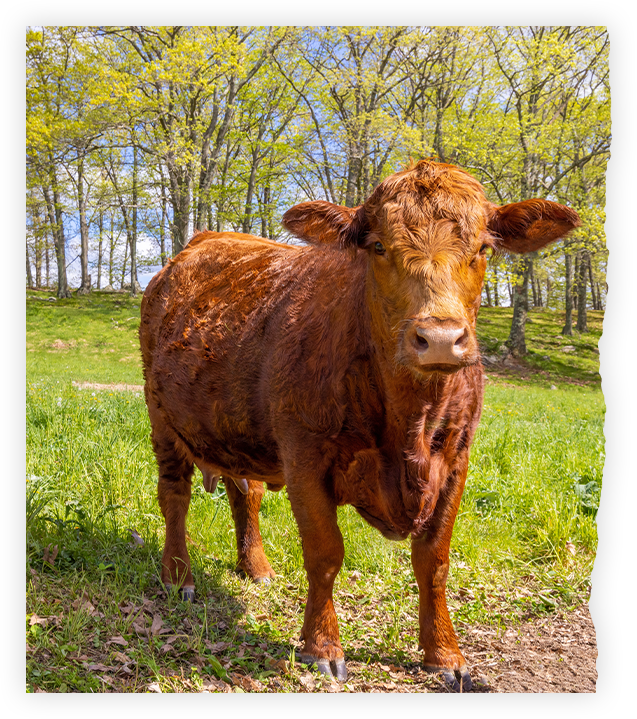
Beef cattle's needs change as they age, and our team provides appropriate care for these animals at every life stage, including cow-calf, backgrounding, and finishing stages. We can help you customize a herd health management program that will keep your beef herd healthy throughout the entire process.
General Recommendations
- Providing forage needs — You should match forage quality and quantity to the cattle’s nutritional needs, and perform a nutrient analysis on harvested forages to accurately determine how much is required to meet the National Research Council (NRC) recommendations.
- Balancing the diet — You should balance the protein and energy in the diet to maintain the desired body score for each animal’s production stage. In addition, vitamins and minerals should be added, if necessary, to compensate for deficient trace minerals.
- Managing the diet for pregnant and lactating cows — Pregnant and lactating cows have unique nutritional needs that depend on factors such as lactation, reproductive state, and colostrum production.
General Recommendations
- Providing forage needs — You should match forage quality and quantity to the cattle’s nutritional needs, and perform a nutrient analysis on harvested forages to accurately determine how much is required to meet the National Research Council (NRC) recommendations.
- Balancing the diet — You should balance the protein and energy in the diet to maintain the desired body score for each animal’s production stage. In addition, vitamins and minerals should be added, if necessary, to compensate for deficient trace minerals.
- Managing the diet for pregnant and lactating cows — Pregnant and lactating cows have unique nutritional needs that depend on factors such as lactation, reproductive state, and colostrum production.